
Home cooking · Finland
Three meal types you can repeat all month
Instead of a strict weekly menu, we use three meal “shapes”: crunchy + creamy, one oven tray, and a warm bowl. You change the ingredients, not the whole system.
Three meal shapes
Crunchy + creamy, one oven tray, or a warm bowl
Crunchy + creamy: rye crisps or bread, cottage cheese or hummus, sliced cucumber and tomato, fruit. Good for quick lunch boxes—add a cold pack.
One oven tray: chopped carrot, potato, onion, plus chicken pieces or tofu, oil, salt, pepper; roast and eat with bread or grains you cooked ahead.
Warm bowl: rice, barley, or potatoes, warm frozen vegetables, tinned fish or beans, seeds or a spoon of dressing. Uses leftovers without a new recipe.
Rotate these shapes instead of hunting novelty every evening. Change taste with dill, paprika, lemon, or mustard. When fresh berries cost a lot, frozen ones go into porridge; when cucumbers taste best in summer, double them on the crunchy plate.
In the shop
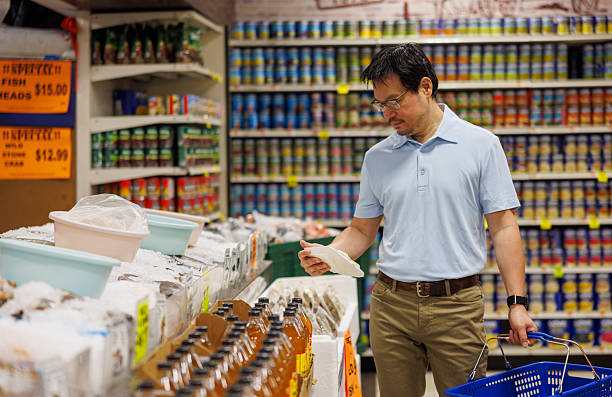
Fill the trolley: vegetables first, then protein, then bread and grains
Walking past vegetables first usually means you actually eat them. Then pick proteins you will cook (mince, fish, tofu, eggs, cheese), then oats, rice, pasta, potatoes, and rye. If you arrive hungry, buy a yogurt drink or banana first so the rest of the trip is calmer. Compare price per kilo on meat and cheese—sometimes half the amount of a stronger-tasting cheese is enough on bread.
Keep a “busy week” shelf at home: oats, tinned lentils, tuna, frozen spinach, tomato passata. Then you can still make the bowl or tray meal when you skip the shop.
Common meal questions
Short answers about bread, canteens, and family meals
Is rye bread “too many carbs” for lunch?
Rye gives fibre and stays filling if you add protein and vegetables—cheese, egg, fish, or bean spread. If you feel sleepy after lunch, we look at the whole plate (portion, fat, coffee), not rye alone.
How do I eat better at the work canteen?
Take vegetables first, add a clear protein (fish, meat, legumes, skyr), choose milk or water with the meal, and notice how hungry you are before afternoon coffee and biscuits.
My partner or kids eat differently—what do I cook?
We plan one shared base—rice, potatoes, or salad—then simple add-ons: one pan with meat, one with chickpeas, same vegetables for everyone.
Snacks
Planned snacks so you do not arrive at dinner starving
If dinner is late, eat something at four or five on purpose: apple with nuts, rye with cheese, skyr with berries. That is normal meal timing, not “lack of discipline.” After sport, many people do better with a small carb snack soon after training, then a proper dinner with protein within a few hours. Milk in coffee, porridge, and cocoa all quietly add protein across the day—sometimes enough to fix an afternoon slump.
Sometimes you want crunch, not sugar—try vegetable sticks, rye crackers, or roasted chickpeas before reaching for sweets. Sweets are not forbidden; we just widen the snack list so you have choices.
Talk to us about food
Send your real shopping list or a photo of your fridge
We look for easy food swaps: one extra vegetable, a cheaper protein that week, or a breakfast you can set up in two minutes. Use the contact form and mention what meals already work and what feels stuck.