
Nutrition coaching · Oulu, Finland · English
Eat in a balanced way—without banning foods
We help you plan meals, shop with a clear head, and notice hunger and fullness—using normal foods you find in Finnish shops, not extreme rules. Hover the tiles to jump to meal ideas, portions, or seasonal eating.
What this site is about
Nutrition coaching without “good food / bad food” lists
You already know that vegetables, protein, and whole grains matter. What is hard is doing it on a tired Tuesday after work, or when bread and cheese feel like the only easy option. We work on the real week: which meals are rushed, what you actually buy at Prisma or K-Supermarket, and which two or three food habits would help you most right now. Examples: a breakfast you can repeat without thinking, a lunch that keeps you full until dinner, or a small evening snack so you do not arrive at dinner starving.
Studies on long-term eating patterns usually praise variety, enough protein spread through the day, and plenty of plants. We turn that idea into shopping and cooking steps—for example cooking a big pot of barley on Sunday, putting skyr and frozen berries in your porridge, or adding tinned beans to soup when meat is expensive. If you feel guilty after eating out, we look at what happened in plain food terms (portion, alcohol, late hour) instead of labelling you a failure. That makes it easier to try again next time.
In Finland the year is extreme: dark afternoons in winter, very long evenings in summer. It is normal to want heavier stews when it is cold and bright salads when berries are cheap. Coaching here respects that. The goal is not a perfect diet on paper; the goal is steady, tasty meals that fit your life in Oulu or online from anywhere you call home.
On your plate
Build filling meals: protein + grains or potatoes + vegetables
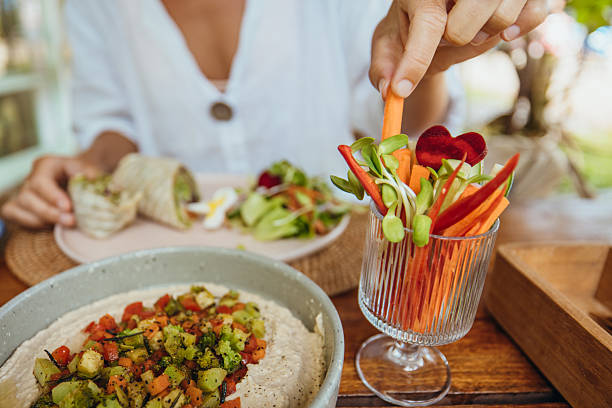
Most satisfying dinners need three parts: something rich in protein (fish, chicken, tofu, eggs, beans, skyr), something starchy (potatoes, rice, pasta, rye), and something colourful (salad, roasted roots, frozen peas heated with a little butter). Lunch can follow the same idea in a box: rye sandwiches with cheese and tomato, plus a piece of fruit; or leftover stew with an extra spoon of yogurt. You do not need a new recipe every night—repeat shapes that work, then swap the details.
When clients ask about calories, we start with the basics: eat breakfast if you wake hungry, put protein in lunch and dinner, add vegetables at least twice a day, drink water with meals. Numbers can teach—for example, nuts are small but high in calories, so a measured handful fills you up better than eating straight from the bag. Finnish everyday foods already fit this approach: oatmeal, berry soups, salmon, meatballs with lingonberry, lentil stews, and rye bread with toppings you enjoy.
- Anchor protein at lunch if afternoons feel rocky
- Pair sourdough or rye with protein and fat
- Keep frozen peas and spinach for fast fibre


Food safety at home
Cook and store food so it stays safe to eat
Cool soups and casseroles within two hours before you put them in the fridge. Use one cutting board for raw meat or fish and another for bread and vegetables, or wash the board well between steps. Label leftovers with the date so you eat the oldest box first. Reheat food until it is hot all the way through, especially in the microwave—stir halfway so there are no cold pockets.
For summer picnics, keep potato salad, dairy, and fish in a cool bag with ice packs. A cold balcony in winter is not as reliable as a fridge; if food freezes and thaws, bacteria can grow. If you are pregnant or your doctor has told you to be careful with certain foods, follow Ruokavirasto (Finnish Food Authority) advice on things like soft cheese and raw fish, and ask your nurse or doctor for personal guidance.
Drink water with meals and on walks; dry winter air can hide thirst. If you drink alcohol, eat first and add water between drinks so your next day’s appetite and sleep stay steadier.
Food energy in simple words
Which foods fill you up, and which add calories in a small bite
A calorie is just a unit of energy. High-fibre oats (about 380 kcal per 100 g dry) digest slowly and many people find breakfast stays satisfying until lunch. Cooked lentils (about 115 kcal per 100 g) give protein and folate in a cheap, filling soup. Olive oil (about 900 kcal per 100 ml) adds flavour and calories quickly—measuring a spoon for dressing helps when you are learning portions.
Berries taste sweet for relatively few calories; frozen Finnish berries are cheap vitamins in winter. Rye bread fills you longer when you add cheese, egg, or herring instead of eating it alone. You do not need to memorise tables—pick three foods you eat weekly and notice how your hunger feels two hours later. We use that information to plan snacks like yogurt + fruit or rye + peanut butter so the afternoon feels stable.
| Food (rough serving) | About this many calories | What it gives your body |
|---|---|---|
| Oat porridge, 1 cup cooked | 150–190 kcal | Fibre-rich starch for morning focus |
| Plain skyr, 150 g | 90–120 kcal | Protein for satiety |
| Salmon, 120 g baked | 200–260 kcal | Protein and omega-3 fats |
| Mixed salad with oil, large bowl | 120–220 kcal | Volume and micronutrients |
Figures vary by brand and cooking method; treat them as orientation, not precision targets.
Nutrition events
Small groups: cooking tips, shopping, and seasonal food
Meetings are about food skills, not abstract talks. In winter we might compare affordable protein foods and easy oven meals; in spring we pack lunch boxes for longer daylight; in summer we cover berries, new potatoes, and safe grilling; in autumn we batch soups and plan freezer meals for busy weeks.
- June 2026 — Evening walk in Oulu city centre with a snack-packing demo afterward.
- August 2026 — Farmers’ market tour: reading labels calmly, choosing produce that lasts the week.
- October 2026 — Soup batch-cook along online; shopping list sent one week ahead.
Groups stay small so everyone can ask food questions. Email us via the contact page, write the month in the subject line, and we will send practical details (time, what to bring, dietary notes).
Email about a cooking sessionCommon questions
Answers about nutrition coaching with us
Do I have to write down everything I eat?
Only if it helps you learn. Some people take quick meal photos for a week; others tick off “vegetables twice today.” We skip strict diaries that make restaurant meals stressful.
Is coaching only about changing how your body looks?
No. People often ask for steadier energy between meals, simple sports snacks, ideas after travel, or help feeding a family with different tastes. We focus on practical meals and habits—not promises about appearance.
I eat vegetarian or halal or mixed—can you still help?
Yes. We start from proteins you already use—beans, lentils, dairy, eggs, fish, meat, tofu—and build vegetables, grains, and fats around them.
Are meetings online or in person?
Both are possible. Many people meet online from elsewhere in Finland; Oulu locals can sometimes meet in person. You get a short form beforehand so we spend the hour on food, not paperwork.
Eating through the Finnish year
How long days and dark evenings change hunger
In late spring and summer many people eat dinner later because evenings are light. If you start work early, a very heavy meal at ten at night can still sit in your stomach in the morning. We try small food shifts: more protein at lunch, a lighter plate late, or moving dessert to afternoon coffee instead of midnight. In dark winter some people feel low in energy; meals with fish, eggs, beans, and colourful vegetables support vitamins and minerals, while vitamin D pills are a medical decision—ask your doctor or pharmacist for the right dose.
Coffee late in the day can hide tired hunger and then push sweet cravings. Moving the last cup earlier, eating a proper lunch with vegetables, and choosing an afternoon snack with protein (skyr, sandwich, nuts with an apple) often steadies the evening without banning sugar completely.
Dark winter weeks
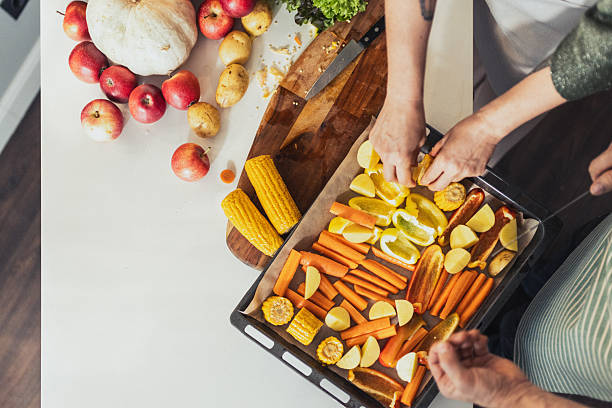
Roast a tray of carrots and beetroot on Sunday; add them to grain bowls with canned fish or beans for quick vitamin C and iron at lunch.
Bright summer nights
If bedtime slides late, keep breakfast simple and steady—porridge, berries, milk—so your first meal still anchors hunger for the day.
Cold snaps
Bean-barley soup or pea soup with rye fills you for hours; pack a thermos if you work outdoors.
Next step
Write to us about your meals this week
You can keep the email simple: what you ate yesterday, what you wish was easier (breakfast, lunch boxes, evening snacks, cooking time), and one food habit you would like to work on. We answer with general education and meal ideas only—sometimes one conversation is enough; sometimes we suggest a short series of meetings. We do not promise specific health outcomes.